Independent position
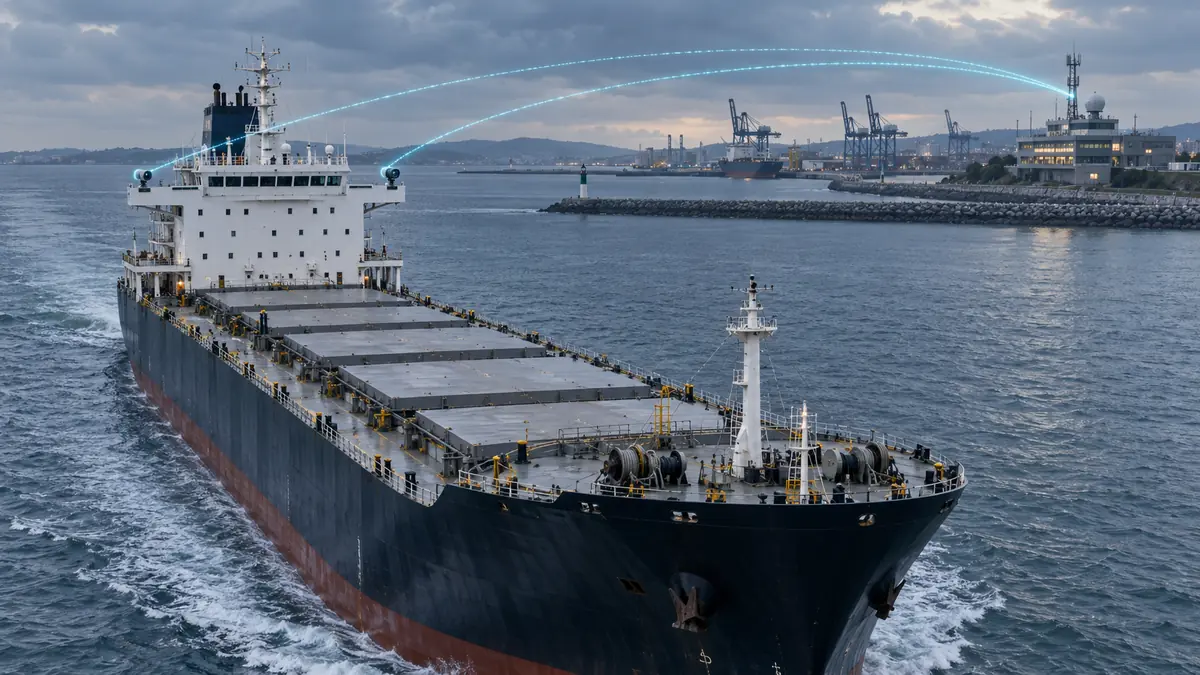
RTK modules establish centimeter-level vessel position and calculate heading from separated reference points.
 Start a conversation
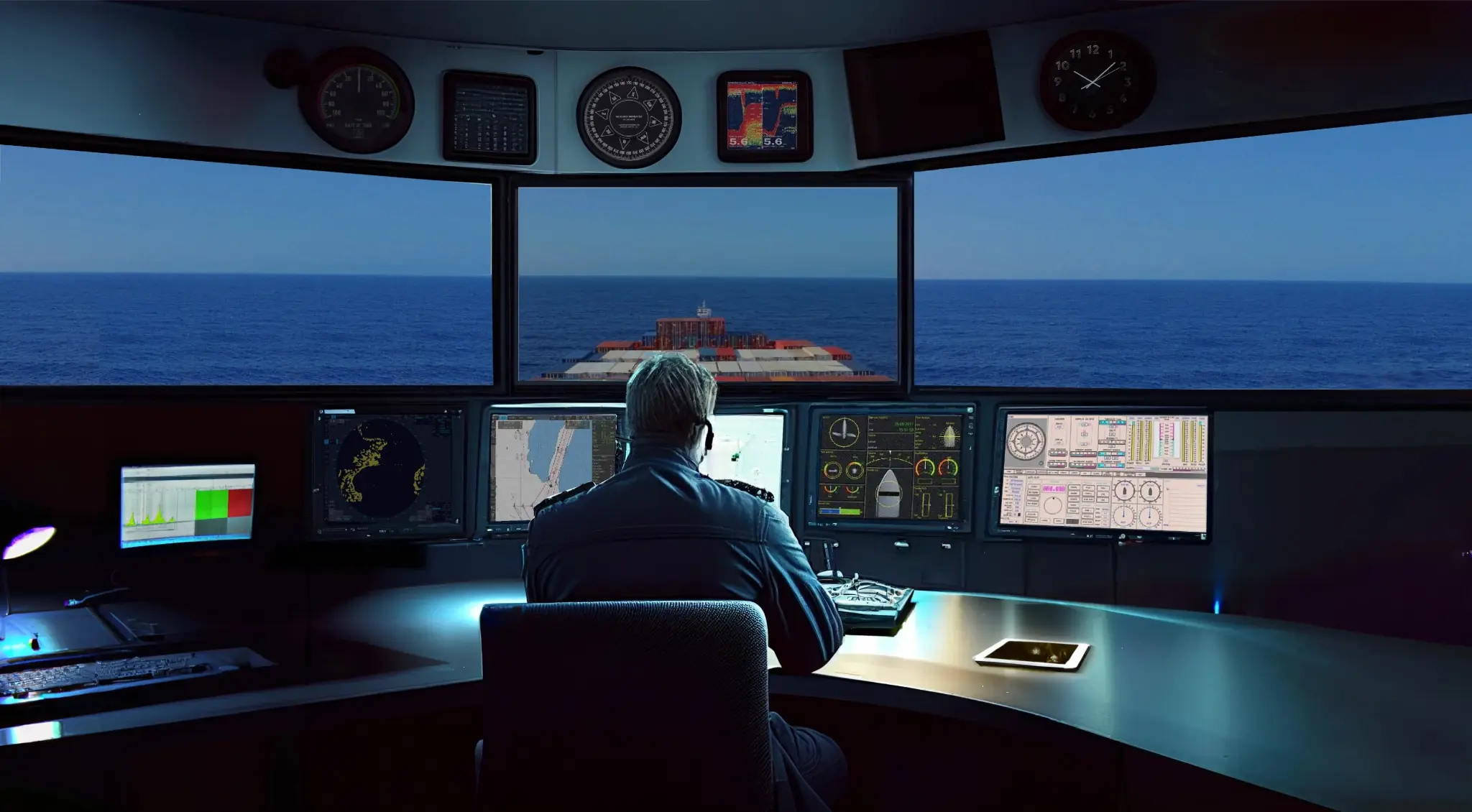
Remote marine pilotage
RemPi combines centimeter-level positioning, real-time vision and bridge data to give marine pilots the situational awareness to guide vessels from a dedicated shore station.
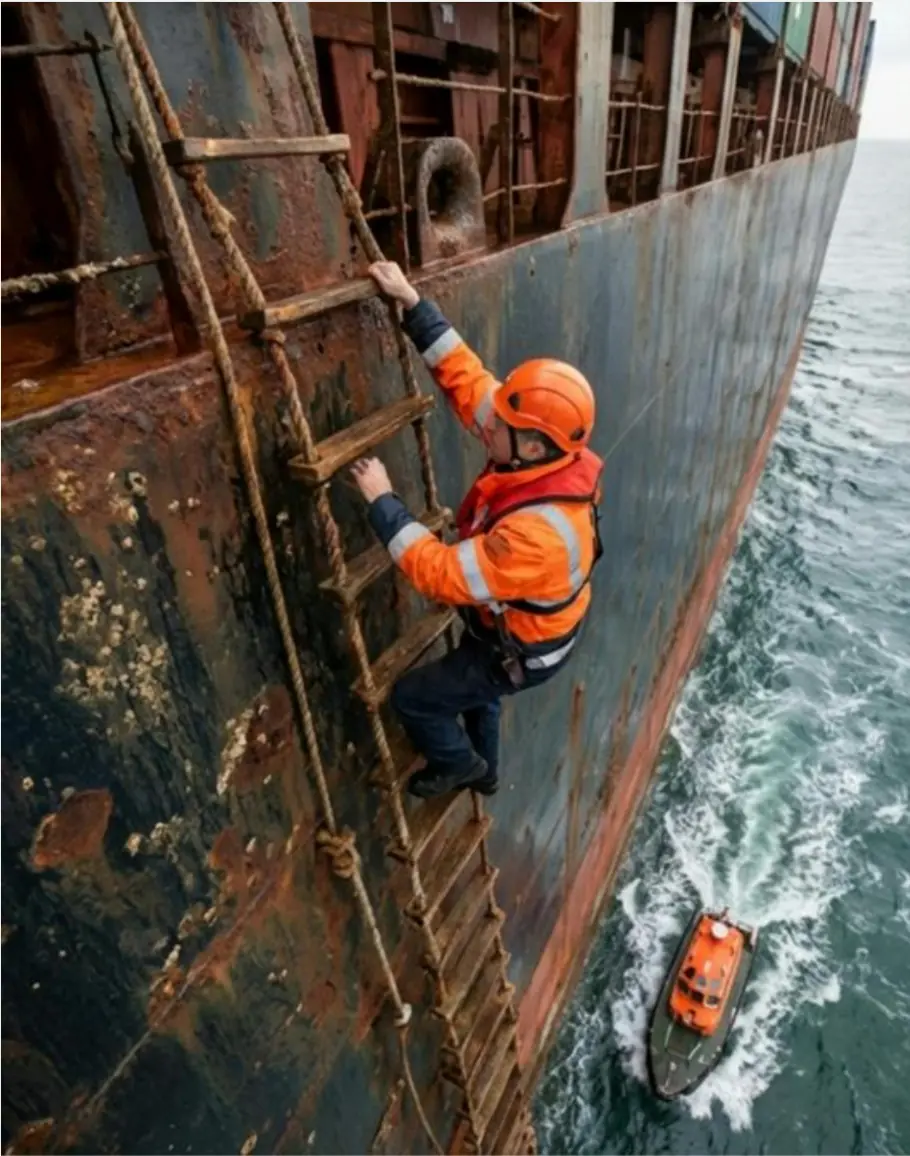
The deadly cost of the last mile
To reach the bridge, a pilot must leave a moving pilot boat and climb the side of a moving ship — often in darkness, swell and difficult weather. Every boarding exposes a scarce professional before the actual job has even begun. Worldwide, pilot-transfer accidents claim an estimated two to three lives in an average year.
Industry estimate · Lloyd’s List, August 2023One connected operating picture
Temporary onboard modules combine independent positioning and visual coverage with navigational data from the bridge. The pilot receives one synchronized view built for low-speed, close-quarters decisions.
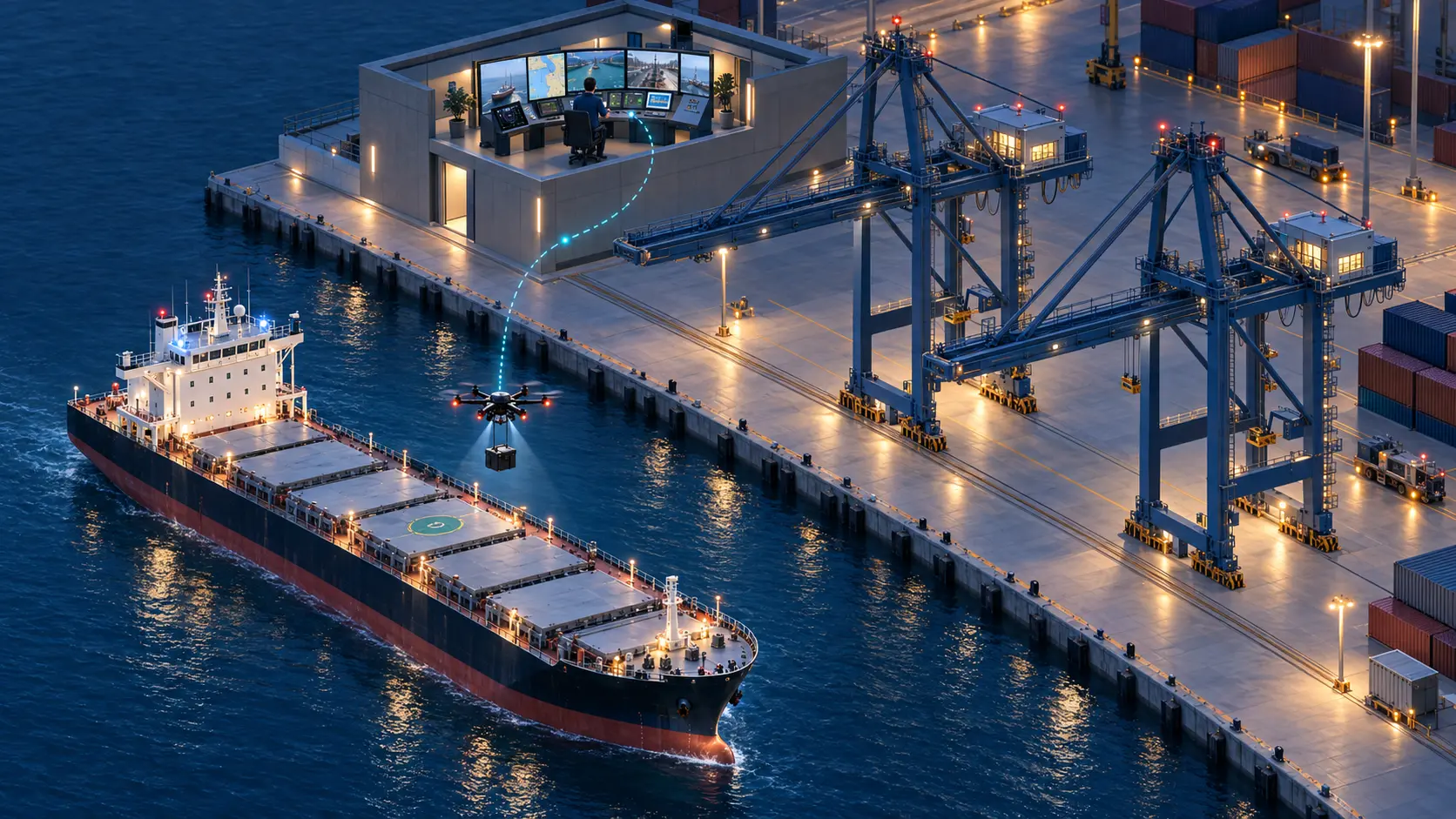
RTK modules establish centimeter-level vessel position and calculate heading from separated reference points.
Forward and side viewpoints give the pilot the angles needed to assess clearances and vessel movement.
Pilot-plug data and visual feeds from bridge instruments bring heading, speed and control status into the shore station.
Multiple sources support cross-checking, low-speed prediction and a safer path toward reduced-visibility operations.
Selected aspects of the RemPi system and operating method are the subject of a pending patent application.
Deploy in minutes, operate from shore
RemPi is designed as a temporary kit that meets a vessel where it is — preserving the pilot’s role while changing where the work is performed.
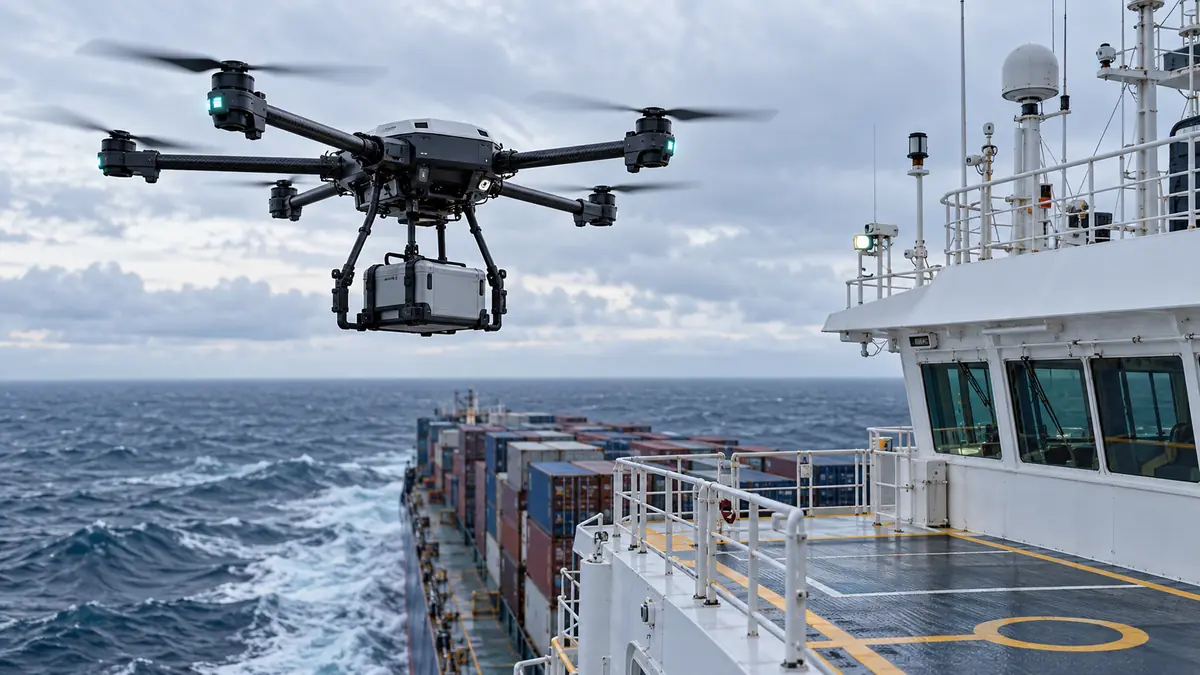 01 / Delivery
An industrial drone brings the portable modules to the vessel without transferring the pilot.
 02 / Data link
Camera, RTK and bridge-data feeds establish an encrypted, synchronized operating picture.
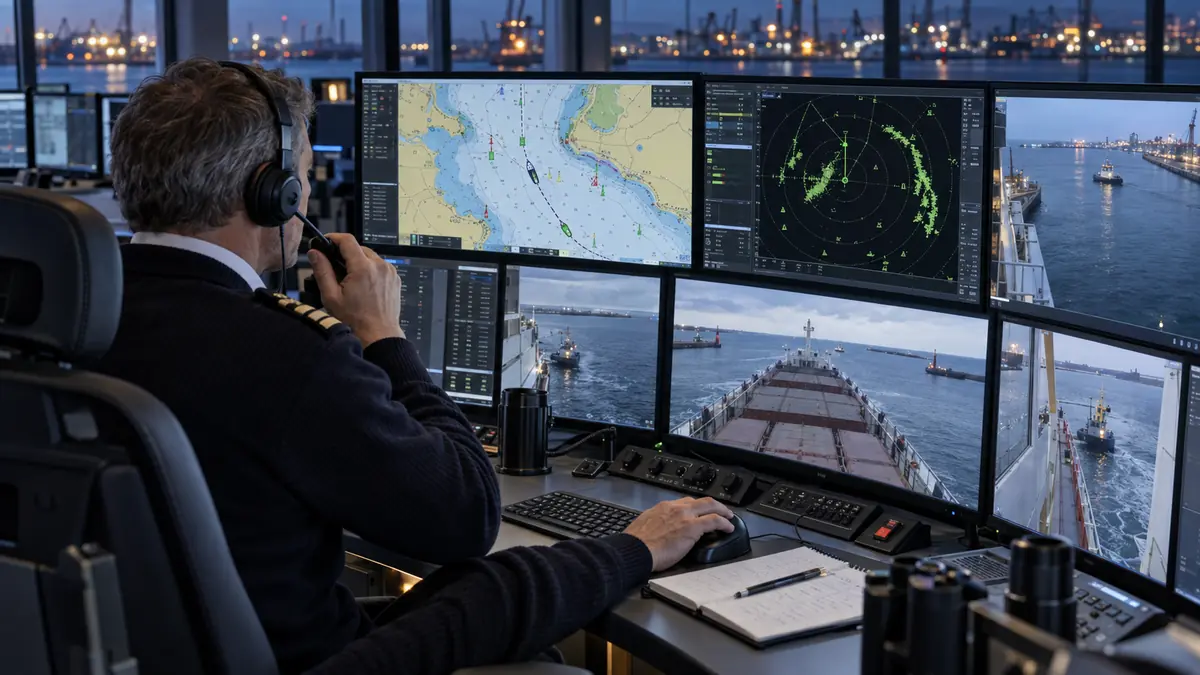 03 / Shore control
The licensed pilot conducts the pilotage operation from a purpose-built shore control station.
Turn transfer time into operating time
With the pilot already ashore, changeover between assignments no longer depends on repeated boat transfers. The time saved varies by port, but every avoided transfer can reduce pilot-related waiting — keeping berths, cranes and terminal crews productive for longer.
This example assumes a 15-minute pilot transfer and a 30-minute average docking cycle (35 minutes inbound / 25 minutes outbound). Transfer and operation times vary by port, conditions and operating rules.
Maritime operations × control systems
 01 / Maritime
Merchant navy officer with 15+ years of experience across vessel operations, offshore projects and close-quarters marine work.
 02 / Systems
Software and control engineer with 5+ years in oil and gas systems development, combining technical delivery with financial economics.
The next pilot operation starts ashore
We are opening conversations with ports, pilots, technology partners and early-stage investors.
info@rempi.io